Choose what you want between your ears
- Yes, wireless earbuds can have a cord between the earpieces. True wireless earbuds remove that cord too.
- First, decide whether you care more about keeping the buds together or having no connecting cable.
- Then compare single-charge battery life, the charging case, features and compatibility with your phone.
If you're looking at a pair with a cable looping between the buds, you can still leave your phone untethered. We'd settle the physical design first, because a connecting cable gives you a practical way to keep the two earpieces together, while separate buds remove that cable from your listening setup.
For this comparison, “wireless” means earbuds with a wireless connection to your audio source and a cord between the earpieces. “True wireless” means separate earpieces without that connecting cord. Those are the two designs to compare when the wording on a product listing leaves you wondering where the wire actually goes.
A neck cord still leaves your phone wireless
Follow the two connections separately: your phone to the earbuds, then one earpiece to the other. A neckband or connecting cable belongs to the second connection. It doesn't turn the first connection into a wired one, which is why a visibly corded pair can still be sold as Bluetooth earbuds.
| Connection | Corded wireless earbuds | True wireless earbuds |
|---|---|---|
| Audio source to earbuds | Wireless | Wireless |
| Left earpiece to right earpiece | Physical connecting cable | No connecting cable |
Bluetooth is the predominant wireless earbud connection, rather than the only wireless technology. It uses radio waves to carry audio over short distances, so music or a podcast can travel from your phone without a physical cable between the devices. Corded Bluetooth earbuds use that wireless source connection too.
Separate earpieces still need their playback coordinated. A typical true wireless arrangement uses one primary earbud to relay information to the other and adjust timing so both ears hear the music in sync. The physical separation tells you about the cord; the internal connection can still involve one bud communicating through the other.
Separate listening time from case replenishment
Think about your longest listening stretch between charges before comparing a headline battery total. Skullcandy's comparison favors corded wireless earbuds for endurance on a single charge and lower individual-bud loss risk, while favoring true wireless for portability and access to features. That's a useful way to narrow your search around what matters to you.
On corded wireless designs, the battery is often housed in the connecting cable or neckband, which also often carries the controls. That arrangement supports the qualitative battery-life advantage. If your priority is a long stretch of listening before replenishing the battery, give the corded design a place on your shortlist.
True wireless earbuds bring a different benefit: a compact case that holds and recharges the buds between uses. Its contribution is additional listening after replenishment. When comparing products, keep the earbuds' runtime between charges separate from the extra listening the case enables, because those answer different questions about your day.
A listener who values endurance during one extended session has a different priority from someone who values replenishment between sessions. Decide which describes your routine before weighing the battery claims. That makes the case a feature you can judge on its own terms, without folding its contribution into uninterrupted earbud runtime.
Keeping the buds together or going cord-free
If you tend to misplace small things, the link between the earpieces has a purpose beyond carrying components. It physically keeps the two buds together, reducing the risk of losing an individual earbud. Give that benefit real weight if keeping track of separate pieces already feels like a chore.
The cable typically passes behind your neck or under your chin. Choosing it means accepting that physical connection in exchange for keeping the earpieces joined. You're choosing how the pair stays together, so focus on whether that connection is useful to you rather than treating every visible wire as a drawback.
If removing the connecting cable is the attraction, true wireless delivers that physical freedom. Its compact case also makes portability part of the decision. You can reasonably prefer separate buds for a pocket-friendly setup even when a tethered pair's advantages matter more to someone else.
Choose the features you'll actually use
Put the controls and listening features you actually want beside each candidate. True wireless options are available with active noise canceling, touch controls and companion app support. Those are useful reasons to investigate a particular pair, especially if one of those features is part of why you're replacing your current earbuds.
The design label doesn't guarantee a particular feature set, so check the exact pair for each feature you want. Keep “no connecting cord” as the construction choice and ANC, controls and app support as separate selection criteria. This gives you a more useful comparison than treating the word “true” as a complete specification.
Single-bud listening is another feature worth checking if you want an earpiece for calls. Most true wireless earbuds, including Skullcandy's lineup, support using one earbud independently. Make that capability an explicit part of your shortlist when it matters, instead of leaving it buried under the broader appeal of separate earpieces.
The cord isn't a sound-quality ranking
Skullcandy says both designs can deliver excellent audio with modern Bluetooth, and places the sound-quality distinction in the drivers inside the earbuds rather than the presence of a connecting wire. That gives you a reason to keep both styles under consideration when sound is your main concern.
Treat construction and sound as separate buying questions. First choose whether a tether or separate earpieces suits you, then consider the sound of the actual pair. Removing the cord is a clear physical change, but it isn't an inherent sound-quality upgrade over a corded wireless design.
Check the pair against your phone
Write down the phone you'll use before making your final selection. True wireless Bluetooth earbuds are compatible with Android and iPhone devices, and Skullcandy true wireless earbuds support the major platforms. An iPhone isn't a requirement for choosing separate buds, and an Android phone doesn't force you toward a neckband.
Keep that phone connection separate from your feature checks. Match the earbuds to your device, then confirm the specific controls and companion app support you want on the candidate pair. Your final choice should have both a suitable connection to your phone and the features that earned it a place on your shortlist.
More in this category
Encore
Why Do My Headphones Sound Muffled?
Why Do My Bluetooth Headphones Keep Disconnecting?
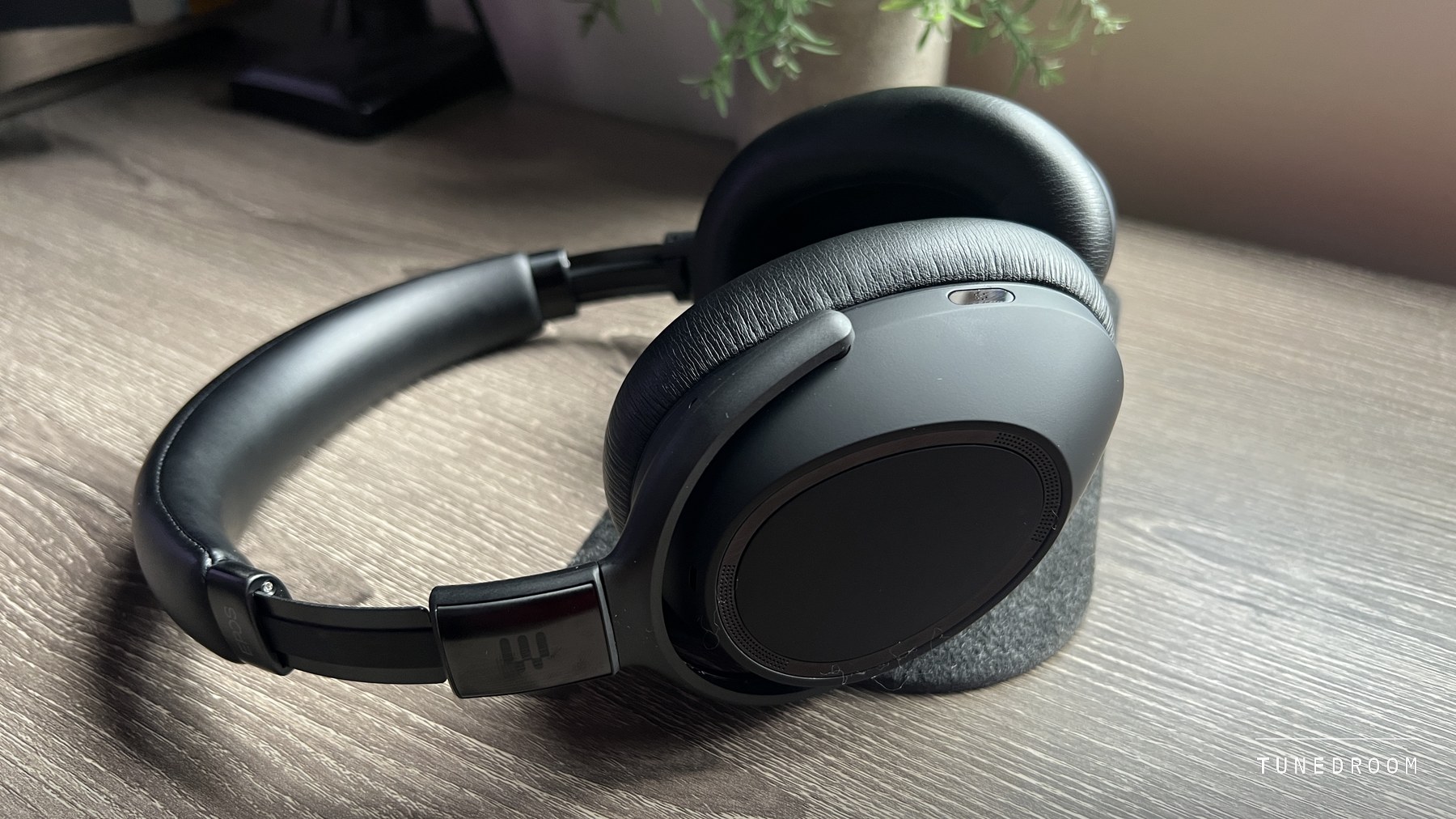
EPOS Adapt 660 Review, Music Between the Meetings
- Bose QuietComfort 2nd Gen Review, the Cable Finally Beats the Radio
- Why Are My Headphones Crackling?
- Baseus Bowie MC2 Review, Music With the Room Left In
- AirPods Will Not Show Up on Bluetooth? Fixes to Try
- How Long Does It Take for Beats to Charge?
- Why Does Roku Say No Signal and Which Fixes Should You Try First?
- How to Connect Multiple Bluetooth Speakers to One Audio Source